
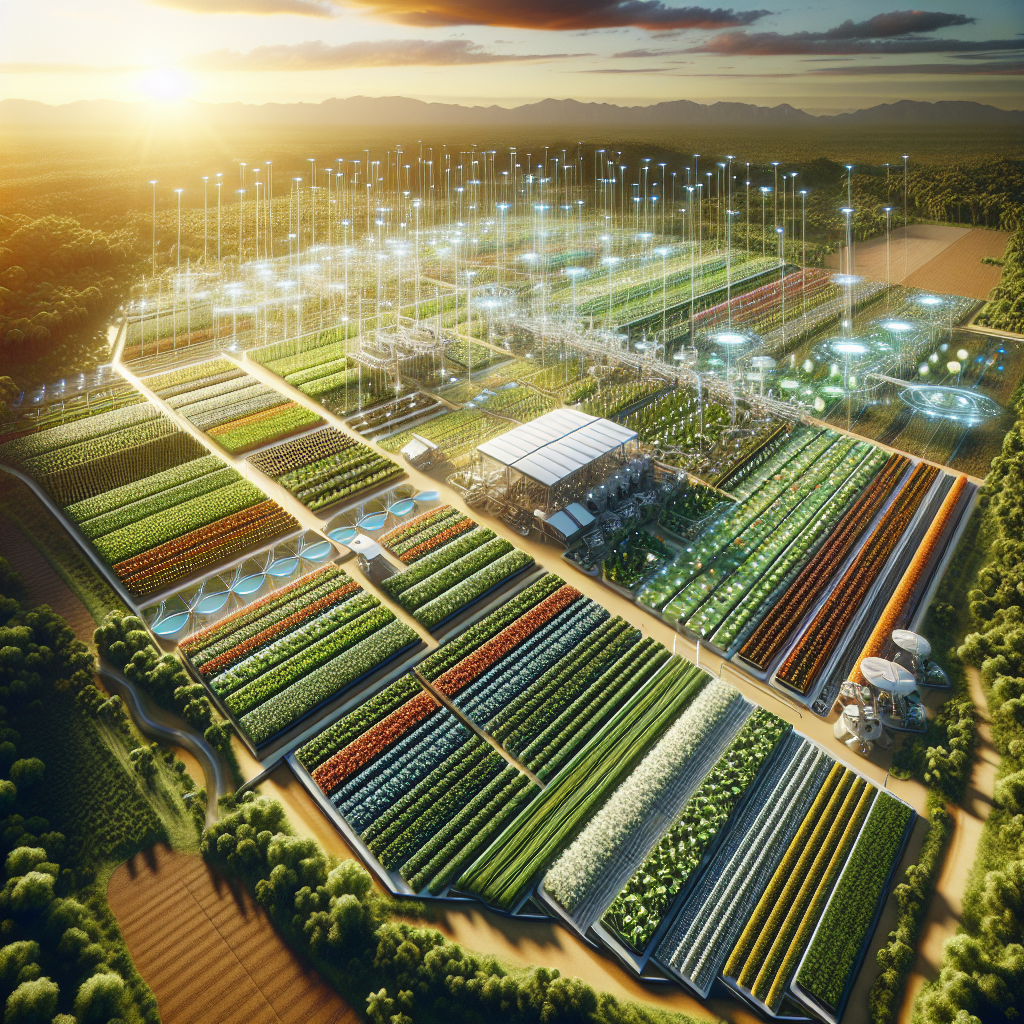
Cultivating Climate Resilience: Innovative Solutions for Sustainable Specialty Crop Farming
In the face of escalating climate challenges, specialty crop growers are pioneering innovative solutions to ensure sustainable food production while protecting their economic viability. What strategies can farmers adopt to thrive in an increasingly unpredictable climate? According to recent studies, satellite imagery and IoT sensors can increase crop yields by up to 10% and reduce water usage by 8%, demonstrating the transformative potential of climate-smart agriculture.
Precision Agriculture: Optimizing Resources Through Technology
Modern farming technologies are revolutionizing resource management in specialty crop production. Advanced imaging and sensor technologies enable early detection of stress factors like nutrient deficiencies, water stress, and pest pressure, as documented by the USDA Climate Hubs. These precision agriculture techniques allow growers to make data-driven decisions, optimizing inputs while maximizing outputs.
Integrated Pest Management: A Science-Based Approach
The Cheshire Conservation District emphasizes how climate change is altering pest patterns and disease pressures. Through Integrated Pest Management (IPM), growers can implement targeted solutions that reduce pesticide use while maintaining crop health. The Sterile Insect Technique (SIT) exemplifies this approach, providing effective pest control without chemical interventions.
Climate-Resilient Varieties: Breeding for the Future
According to the Global Agriculture and Food Security Program, developing climate-resilient crop varieties is crucial for agricultural sustainability. These varieties demonstrate enhanced tolerance to temperature extremes, improved disease resistance, and better drought tolerance, helping growers adapt to changing environmental conditions.
Sustainable Soil Management Practices
Regenerative agriculture techniques are proving essential for long-term sustainability. The USDA’s recent funding initiative supports practices like cover cropping and minimal tillage, which enhance soil health and promote carbon sequestration while improving water retention capacity.
Water Conservation Technologies
Smart irrigation systems and soil moisture monitoring technologies are transforming water management in specialty crop production. As highlighted by recent agricultural programs, these technologies can significantly improve water use efficiency while maintaining optimal crop growth conditions.
Funding and Support Resources
Various funding opportunities are available to support climate-resilient farming initiatives. GrantWatch reports numerous grants specifically designed for sustainable agriculture projects, helping growers implement innovative solutions while managing transition costs.
Conclusion: Embracing Innovation for Agricultural Resilience
The path to climate-resilient specialty crop farming requires embracing technological innovation while maintaining sustainable practices. Through strategic implementation of precision agriculture, advanced pest management, and water conservation technologies, growers can build resilient operations capable of thriving in changing conditions.
Take action today by exploring available grant opportunities, connecting with agricultural extension services, and implementing climate-smart practices on your farm. The future of sustainable agriculture depends on the proactive steps we take now to adapt and innovate.


Leave a Reply