
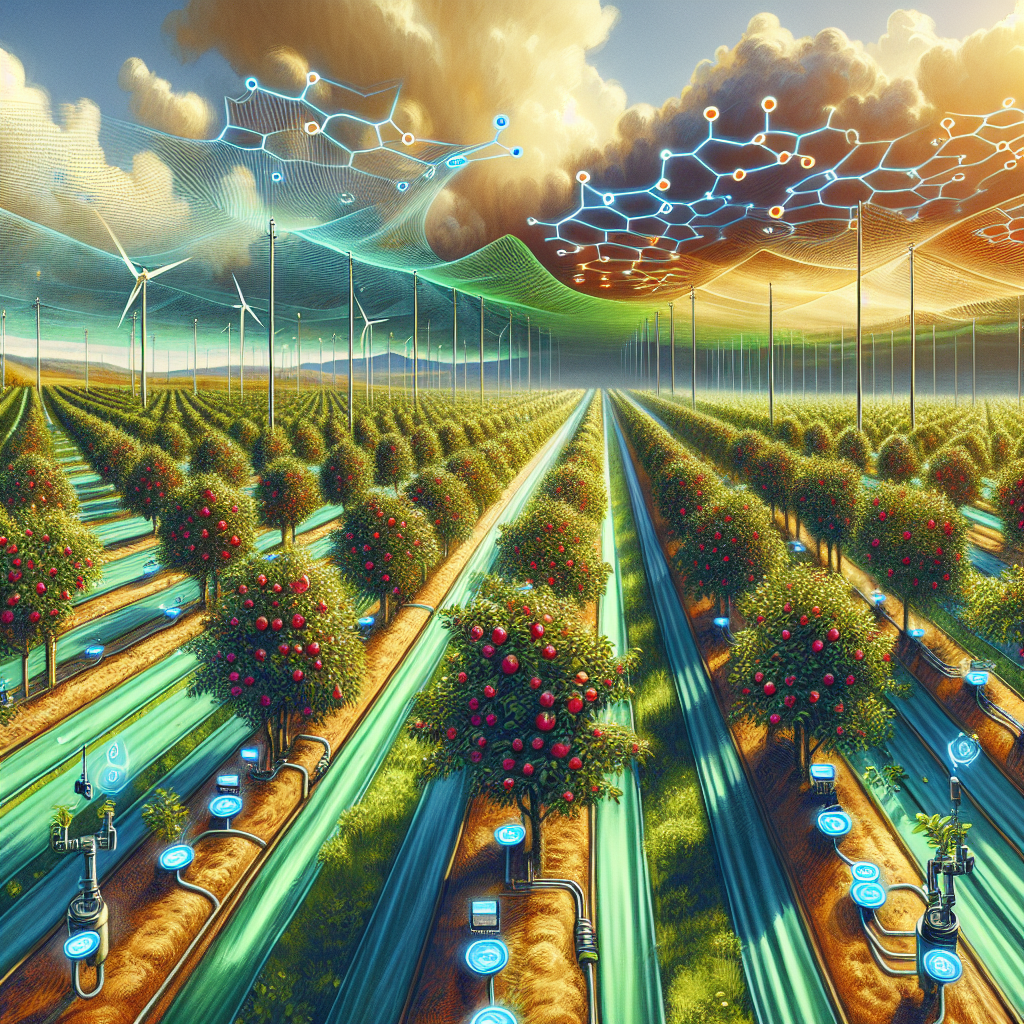
Climate Change and Agricultural Technology: Safeguarding U.S. Apple Production
As climate change threatens the $5 billion U.S. apple industry, agricultural technology emerges as a critical solution for ensuring sustainable production. What strategies can help apple growers adapt to increasingly unpredictable weather patterns? According to a landmark Washington State University study analyzing 40 years of climate data, major growing regions are experiencing concerning trends in temperature patterns that directly impact apple quality and yields.
Understanding the Climate Crisis in Apple Production
The Washington State University research reveals alarming changes across prime apple-growing regions. In Yakima County, Washington – which produces over 60% of the nation’s apples – decreased cold periods and increased extreme heat days have led to sunburn on apples, reduced fruit quality, and impaired tree health. Similar challenges plague Kent County, Michigan, and Wayne County, New York, where extreme temperatures affect apple coloration and marketability.
Impact on Growth Cycles and Yield
According to the WSU study, decreased cold degree days are disrupting natural dormancy cycles, leading to irregular flowering and lower yields across all three major growing regions. Earlier spring frosts compound these issues by damaging blossoms, while increased extreme heat days cause stress that results in sunburned fruit and reduced marketability.
Technological Solutions and Research Initiatives
A groundbreaking $6.75 million USDA-funded project, led by Dr. Lee Kalcsits at Washington State University, is developing innovative tools and practices to help the apple industry withstand extreme climate events. The research focuses on heat-resistant varieties, improved irrigation systems, and optimized orchard layouts with protective netting.
Advanced Monitoring and Predictive Technologies
The WSU research team is developing sophisticated predictive models to help growers understand how their trees respond to temperature fluctuations. These tools provide critical temperature thresholds during fall and spring periods, enabling more informed decision-making for orchard management.
Implementing Adaptive Strategies
Successful adaptation requires a multi-faceted approach combining technology with proven agricultural practices. Growers are implementing protective measures such as evaporative cooling systems and shade netting, while researchers continue developing heat-tolerant apple varieties better suited to changing conditions.
The Role of Data-Driven Agriculture
Modern agricultural technology enables precise monitoring and management of orchard conditions. Remote sensing and IoT devices help growers track environmental factors, while AI-powered systems provide actionable insights for water management and crop protection.
Conclusion: Securing the Future of Apple Production
The long-term viability of U.S. apple production depends on successfully adapting to climate change through technological innovation and research-backed practices. Growers must actively engage with available resources, implement adaptive strategies, and support ongoing research initiatives to ensure sustainable production for future generations.
For more information about climate adaptation strategies and available resources, apple growers can contact their local extension office or visit the USDA Climate Hubs website.


Leave a Reply