
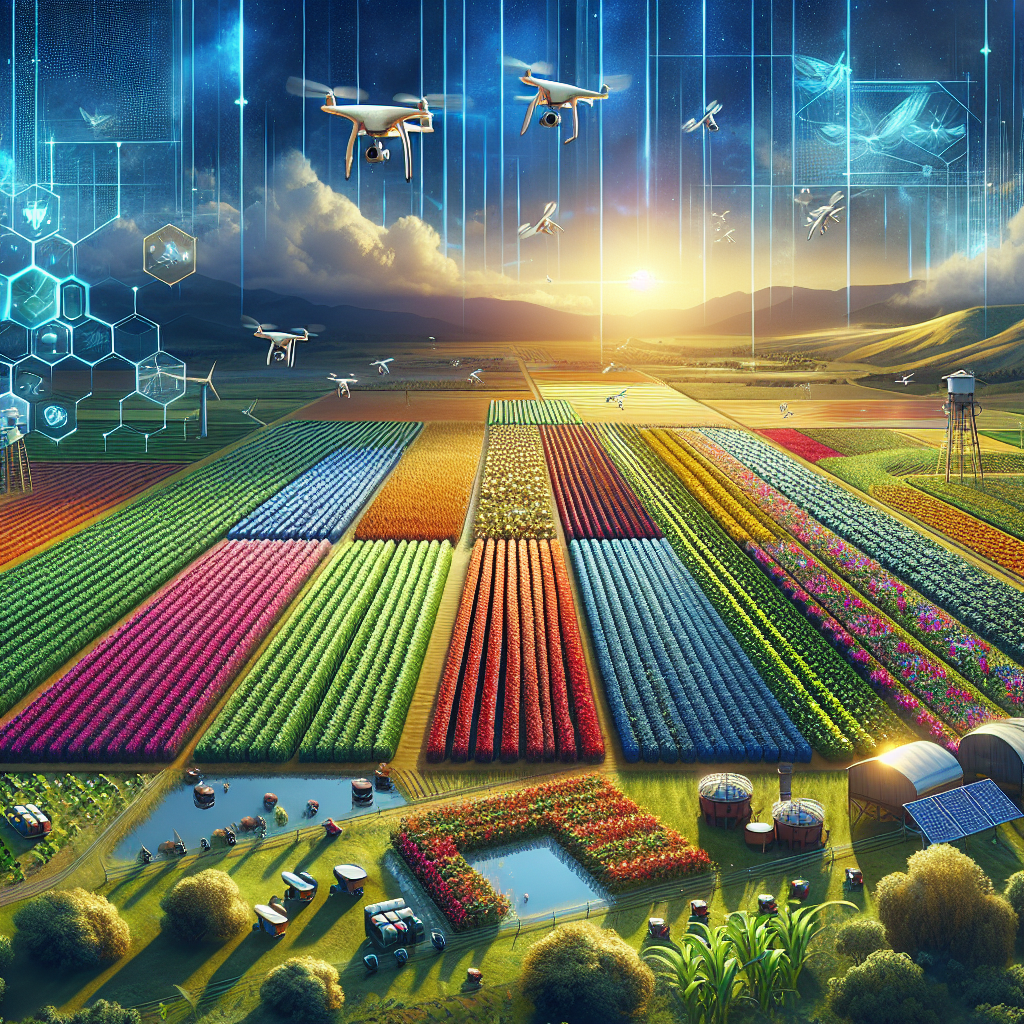
Cultivating Resilience: Climate-Smart Solutions for U.S. Specialty Crop Growers
Climate change presents an unprecedented challenge to U.S. specialty crop growers, threatening food security and agricultural sustainability. How can farmers adapt their practices to thrive in an increasingly unpredictable climate? According to the Environmental Protection Agency, climate change is already affecting agricultural productivity through altered precipitation patterns, increased frequency of extreme weather events, and shifting pest pressures.
The Growing Climate Challenge
The EPA reports that changes in temperature and precipitation patterns are significantly impacting agricultural systems across the United States. These shifts affect growing seasons, crop yields, and pest populations, creating new challenges for specialty crop growers. Climate variability particularly threatens water availability and soil health, two critical components for sustainable agriculture.
Integrated Pest Management: A Climate-Smart Solution
As documented by the Food and Agriculture Organization, Integrated Pest Management (IPM) offers a comprehensive approach to climate resilience. This strategy encompasses crop diversification, natural habitat establishment, and pest-resistant variety selection. These methods not only enhance biodiversity but also provide natural defense mechanisms against emerging pest threats.
Community-Driven Innovation and Knowledge Sharing
The International Maize and Wheat Improvement Center demonstrates how community-based learning accelerates the adoption of climate-smart practices. Their success in implementing Farmer Field Schools shows how peer-to-peer knowledge sharing can effectively spread sustainable farming techniques.
Technology-Enabled Climate Adaptation
Modern agricultural technology offers powerful tools for climate adaptation. According to ResponsAbility, climate and pest monitoring systems enable farmers to anticipate and respond to environmental challenges proactively. These technologies, combined with traditional ecological knowledge, create robust defense systems against climate-related threats.
Financial Support and Resources
As highlighted by Environmental Defense Fund, various financial mechanisms support farmers’ transition to climate-smart practices. These include USDA grants, conservation programs, and partnerships with environmental organizations that provide both funding and technical assistance for sustainable agriculture initiatives.
Sustainable Coffee: A Model for Specialty Crops
Conservation International’s AROMA program demonstrates how sustainable practices can be successfully implemented in specialty crops. Their approach combines climate-smart agriculture with market access improvements, providing a model for other specialty crop sectors.
Conclusion: Building a Resilient Future
The path to climate resilience in specialty crop farming requires immediate action and collaboration. Growers are encouraged to: – Connect with local agricultural extension offices for climate-smart farming resources – Explore USDA conservation programs and grants – Join farmer networks practicing sustainable agriculture – Implement integrated pest management strategies – Invest in climate monitoring and adaptation technologies
By embracing these climate-smart solutions, specialty crop growers can build resilience against climate challenges while contributing to a more sustainable agricultural future. The time to act is now – our food security and environmental health depend on it.


Leave a Reply